
Human Design for parents: understand your child better
Why your child reacts differently from you and how to parent according to their unique energy type, with less frustration and more understanding.

Why does my child respond so differently than I expected?
You tell your child it’s time to stop playing and come eat. Your other child listens right away. But this one? This one gets upset, plays even harder, or seems not to hear you at all.
Or that situation where one child can effortlessly do homework for hours, while your other child is completely drained after twenty minutes. You wonder: what am I doing wrong?
The answer is simple: you’re not doing anything wrong. Your child has a different energy type than you think. And when you parent according to expectations that don’t fit that type, you feel resistance. Want to know your child’s type and what does work? View the personal Blueprint.
Human Design shows that not all children are the same. Not only in personality, but in how they build energy, how they make decisions, and how they develop best.
This article helps you recognize your child’s energy type and shows how to parent in a way that works. For both of you.
The five energy types in children
Just like adults, there are five energy types in children. Each type functions differently and needs different things to thrive.
Generator children: the energy rockets
About 37% of children are Generators. These are the kids with seemingly endless energy. They can play, run, and build for hours. They need movement and get restless when they have to sit still.
Do you recognize this:
- Your child has difficulty sitting still
- They can stay busy for hours with something they enjoy
- They get frustrated when they have to do things that don’t interest them
- They struggle to fall asleep if they still have energy left
- They like to help and do things
Make it practical? In the Blueprint you’ll find evening routines that help Generator children unwind.
Manifesting Generator children: the quick switchers
About 33% of children are Manifesting Generators. These are the kids who jump from one thing to another. They start quickly, want to do everything at once, and have no patience for slow processes.
Do you recognize this:
- Your child jumps from activity to activity
- They are in a hurry and get impatient when waiting
- They find quick solutions and do things their own way
- They get frustrated and angry when they’re slowed down
- They can handle multiple things at the same time
How to avoid conflict: the Blueprint gives scripts to inform and manage pace.
Manifestor children: the initiators
About 9% of children are Manifestors. These are the kids who start things without asking. They want to take the lead and prefer to do things their own way. They need space and autonomy.
Do you recognize this:
- Your child starts things without asking or telling
- They don’t want to be controlled or directed
- They get angry when you ask why they did something
- They have periods of intense energy followed by rest
- They want to go their own way
Teach your child to inform without asking for permission with the examples in the Blueprint.
Projector children: the advisors
About 20% of children are Projectors. These are the kids who observe and understand others. They have less energy than Generator children and get tired from long school days. They want to be seen for who they are.
Do you recognize this:
- Your child tires more quickly than other children
- They notice what others do and give unsolicited advice
- They want to be heard and appreciated
- They become bitter when they’re ignored
- They need more rest than peers
Want to give recognition without overstimulation? The Blueprint includes daily schedules for Projector children.
Reflector children: the mirrors
About 1% of children are Reflectors. These are the rare kids who mirror the energy around them. They’re extremely sensitive to their environment and the moods of others.
Do you recognize this:
- Your child has inconsistent energy
- They sense the atmosphere at home immediately
- Their behavior changes depending on environment or situation
- They need time to make decisions
- They feel disappointed when the environment doesn’t fit
Environment check? In the Blueprint you’ll find signs of a healthy context for Reflectors.
How do you recognize your child’s energy type?
You can discover your child’s energy type by looking at their Human Design chart. You’ll need the date, time, and place of birth.
What if you don’t know the exact birth time?
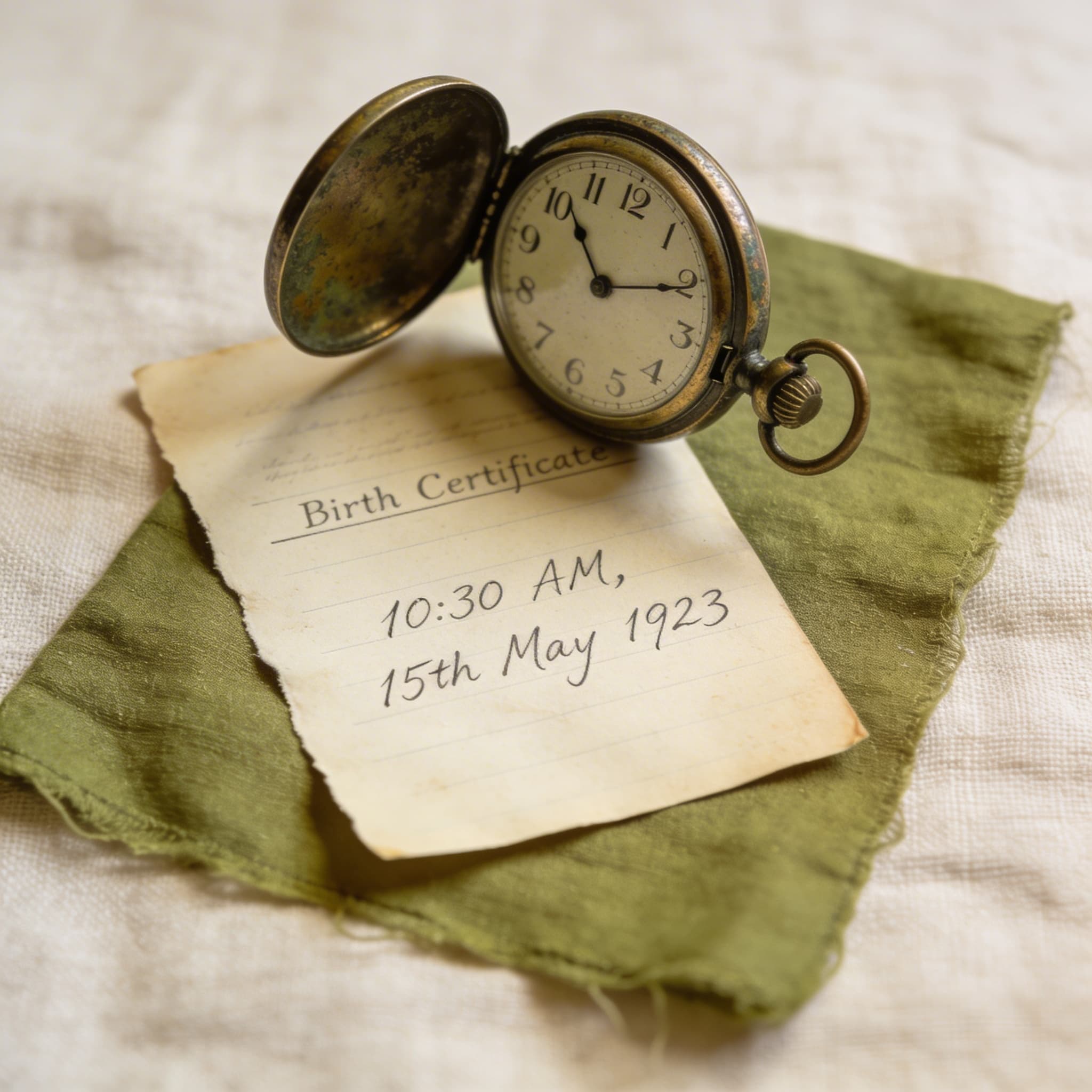
For children born in a hospital, the birth time is usually on the birth certificate or in the maternity care file. If you don’t know the time, you can still see the energy type, but some details may be less precise.
Observe your child’s behavior
Even without a chart, you can see indicators:
- Does your child have endless energy or tire quickly? (Generator vs Projector)
- Does your child start things on their own or respond to what you offer? (Manifestor vs Generator)
- Does your child switch quickly or focus on one thing for a long time? (Manifesting Generator vs Generator)
- Is your child sensitive to the atmosphere or less easily influenced? (Reflector vs other types)
But for certainty: check the chart. It prevents years of parenting according to the wrong type. The steps are explained in the Blueprint.
Parenting by energy type: what really works
Now that you know your child’s type, you can adjust how you parent. Not changing everything, but understanding why some things work and others don’t.
Raising Generator children
Generator children need movement. Lots of movement. And they need to burn off energy before they can sleep.
What works:
- Let your child respond instead of commanding. Ask: “Do you want to tidy your room?” and let their gut respond
- Offer choices instead of orders. “Do you want to tidy now or after dinner?”
- Schedule physical activity after school (sports, playing outside)
- Make sure they can release energy before bedtime
- Accept that sitting still is hard. Let them move during homework
Practical example: Emma, 8, Generator. She could never fall asleep at night. Her mother didn’t understand why. When she discovered Emma’s type, she realized Emma wasn’t releasing energy. They added 30 minutes of trampoline time before bed. Emma fell asleep within 10 minutes.
Raising Manifesting Generator children
Manifesting Generator children need speed and variety. They get bored quickly and want to do several things at once.
What works:
- Give freedom in how they do things. They’ll find their own way
- Let them switch between tasks instead of doing one thing for long
- Explain why something needs to happen, not just that it has to
- Don’t expect a step-by-step approach. They jump, and that’s okay
- Give them space to work fast. Don’t restrict them unnecessarily
Practical example: Lucas, 10, Manifesting Generator. Homework took hours and he was frustrated. His father let him switch between subjects instead of finishing one. Lucas did math for 10 minutes, then language for 10, then back to math. He finished in half the time.
Raising Manifestor children
Manifestor children want autonomy. They start things themselves and don’t want to be controlled. But they create resistance when they don’t communicate.
What works:
- Teach your child to inform before doing something. Not asking for permission, but telling what they’re going to do
- Give space and freedom. Control backfires
- Respect periods when your child wants to be alone
- Explain that people get upset when they’re surprised, not because your child did something wrong
- Plan rest after intense activities
Practical example: Sophie, 7, Manifestor. She constantly clashed with her teacher because she did things without asking. Her mother taught her: “Tell the teacher what you’re going to do before you do it.” Sophie now says, “Miss, I’m going to the toilet,” instead of just leaving. The conflicts stopped.
Raising Projector children
Projector children have less energy than Generators. They tire more quickly and need more rest. And they especially want to be seen.
What works:
- Accept that your child gets tired faster. That’s normal for a Projector
- Ask for their opinion and value their insight. They see things others don’t
- Plan early bedtimes and rest moments
- Don’t sign them up for every activity. Less is more
- Acknowledge their advice and wisdom. They want to be heard
Practical example: Noah, 9, Projector. He came home exhausted from school every day while his Generator sister still had energy. His parents thought he was lazy. When they discovered his type, they realized he simply had less energy. They took him off football practice and planned more rest. Noah flourished.
Raising Reflector children
Reflector children mirror the energy around them. They need a stable, healthy environment to thrive.
What works:
- Create a calm, stable home environment
- Notice how your child responds to different settings
- Give time for big decisions. A Reflector has to feel what fits
- Talk about feelings. Reflector children feel a lot and don’t always know what’s theirs
- Protect your child from chaotic or negative environments
Parenting gets easier when you work with the design
Receive a personal guide with clear do’s and don’ts per type, including practical scripts for boundaries, homework, and bedtime.
Order the BlueprintWhen parent and child have different types
This is where it gets interesting. When you have a different energy type than your child, your ways of functioning can clash.
Generator parent with Projector child
The Generator parent has lots of energy and expects the child to keep up. But the Projector child is empty after a few hours.
What helps:
- Accept that your child has less energy than you
- Plan fewer activities for your child than you would for yourself
- Don’t judge tiredness. It isn’t weakness
Practical example: Lisa, a Generator mom, always planned three Saturday activities with her Projector son. He was tired after the first. She reduced it to one activity. Now he had energy to enjoy instead of being dragged along.
Projector parent with Generator child
The Projector parent is exhausted after a workday. But the Generator child still has energy and wants to play, move, and do.
What helps:
- Plan activities where your child can burn energy without you
- Ask for help from a partner, grandparents, or after-school care
- Accept that your child has more energy than you, and that’s okay
Manifestor parent with Generator child
The Manifestor parent initiates and starts. But the Generator child needs to respond. When the parent commands instead of asks, the child feels resistance.
What helps:
- Ask yes/no questions instead of giving orders
- Let your child respond to what you propose
- Give space for your child’s gut response
School and homework by energy type
School is designed for one type of child: the Generator who can sit and work for hours. But not every child is a Generator.
Generator children at school
Usually it goes well, as long as they can move enough. Problems arise with enforced sitting still or boring material.
Tips:
- Let your child move during homework (exercise ball, standing, walking)
- Schedule homework when your child has energy
- Give breaks with physical activity
Manifesting Generator children at school
They get bored quickly and want to go faster than the class pace. They make mistakes by going too fast.
Tips:
- Let your child switch between subjects during homework
- Provide extra challenges to counter boredom
- Teach your child to double-check (their pitfall is going too fast)
Manifestor children at school
They often clash with authority because they don’t want to follow rules they don’t understand. They want their own way.
Tips:
- Explain why rules exist
- Give freedom within boundaries
- Teach your child to inform the teacher
Projector children at school
They are tired after a school day and can’t do hours of homework. They also need more sleep than other children.
Tips:
- Plan homework in short sessions (20–30 minutes)
- Ensure early bedtimes
- Consider fewer extracurricular activities
Reflector children at school
They depend on the class atmosphere. In a good class they flourish; in a bad class they become sick or unhappy.
Tips:
- Pay close attention to signals about school
- Talk about how school feels
- Consider changing classes if problems are ongoing
Common problems solved
“My child doesn’t listen”
Maybe your child doesn’t listen because you’re communicating in a way that doesn’t fit their type. A Generator child needs to respond. A Manifestor child wants to know why. A Projector child wants to be seen before they listen.
Try adjusting your communication to your child’s type. You’ll find sample phrases in the Blueprint.
“My child is always tired”
Is your child a Projector? Then that’s normal. Projector children have less energy and need more rest. It’s not laziness, it’s design.
“My child is always angry”
Is your child a Manifestor? Then they’re likely feeling resistance and control. Give more autonomy and teach them to inform instead of asking for permission.
“My child can’t sit still”
Is your child a Generator or Manifesting Generator? Then they need movement. Don’t expect stillness. Allow room for movement.
Start with small adjustments today
You don’t have to change everything at once. Start with one thing:
- Ask yes/no questions instead of giving orders this week
- Observe when your child has energy and when not
- Ask your child’s opinion and really listen
- Allow movement during homework
Small changes make a big difference. Not because you’re parenting “better,” but because you’re parenting in a way that fits who your child is. Want a quick guide per type? Order the Blueprint.
Discover your child’s full design
This article gives general guidelines per energy type. But every child is unique. Two Generator children can be completely different due to other aspects in their design.
In a personal Blueprint for your child, you’ll find:
- The exact energy type and how your child specifically functions
- Your child’s authority: how do they make decisions?
- Your child’s profile: what is their life theme?
- Talents and pitfalls specific to your child
- Concrete parenting tips tailored to the full design
60+ pages of personal analysis, delivered within 2 working days. Stop guessing. Start understanding. Order the Blueprint for yourself, your child, or both.